What Is Helichrysum (Immortelle)?
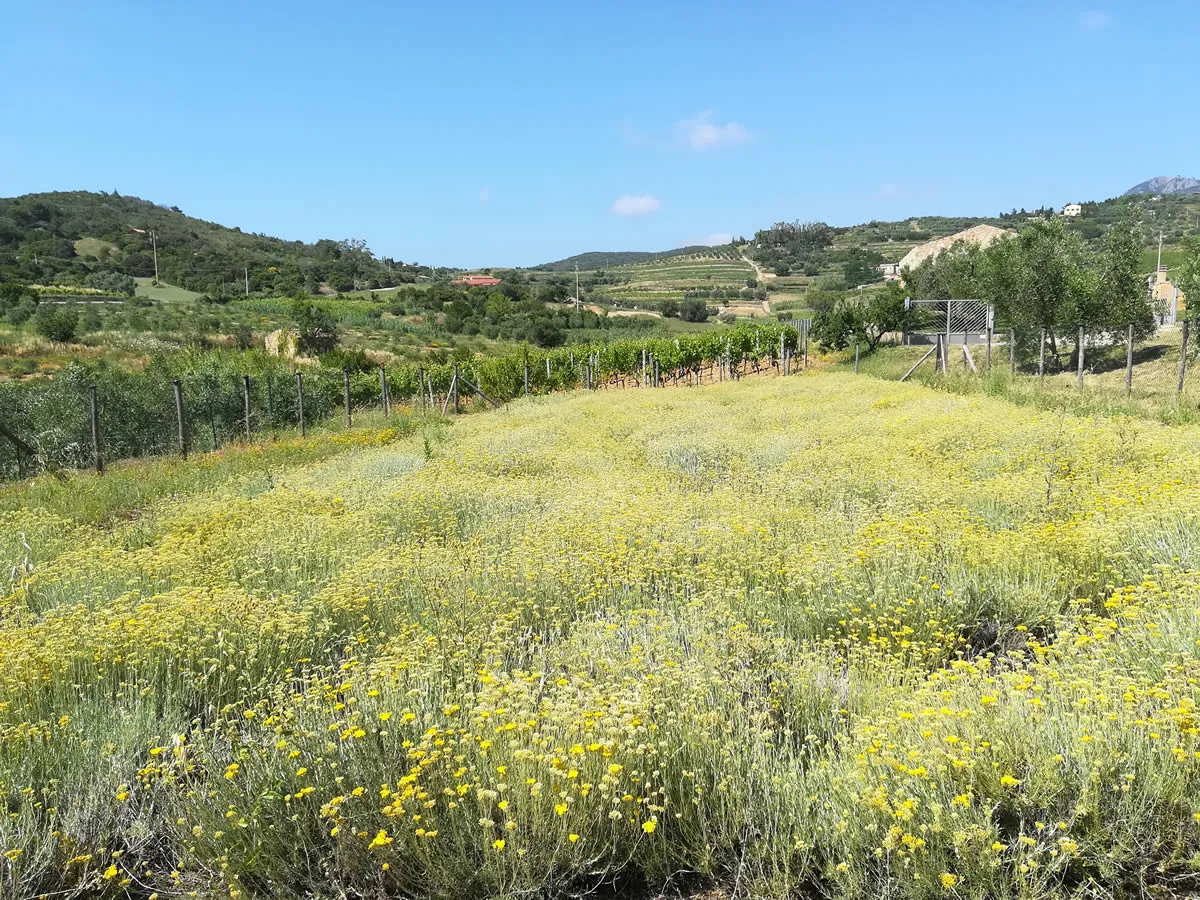
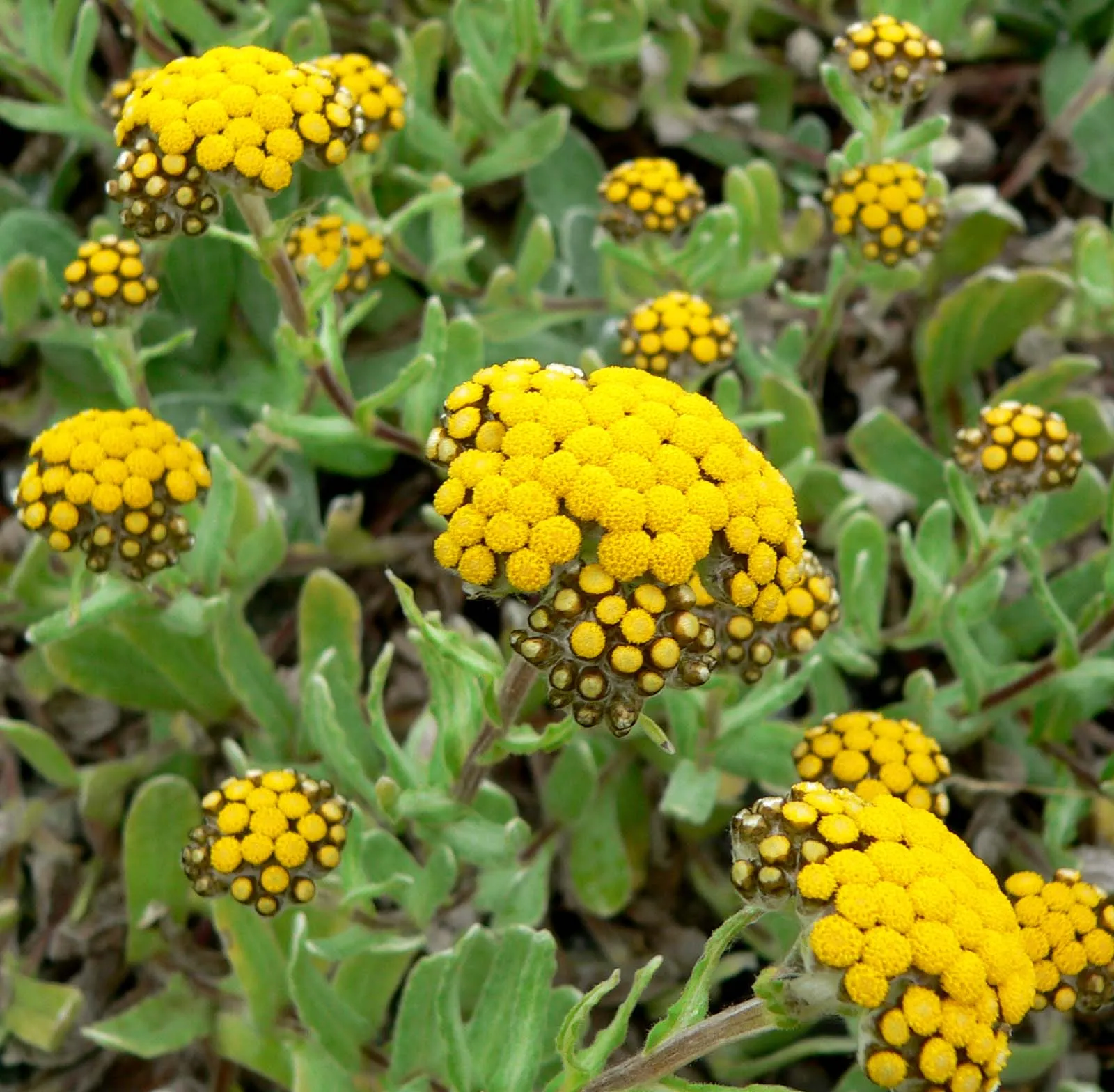
Helichrysum is a small, aromatic flowering plant in the Asteraceae family, famous for golden flower heads that hold their colour and shape long after picking — which is exactly why it is called “immortelle” or the “everlasting flower.” On the dry meadows and rocky slopes of Samtskhe-Javakheti in southern Georgia, it grows in wild stands that flower through the height of summer.
Two species dominate the trade, and the distinction matters to buyers. Helichrysum arenarium (sandy everlasting) is the species long used in Central and Eastern European herbal tradition, typically supplied as dried flower heads for tea and extract. Helichrysum italicum (the “curry plant”) is grown mainly for its essential oil in cosmetics. Knowing which one you are buying — and for what application — avoids a common sourcing mistake.
Why the Flowers Stay Golden
The “everlasting” quality is not a marketing flourish; it is structural. The bracts surrounding each flower head are papery and low in moisture, so the colour is locked in as the flower matures and dries. Harvesting at full bloom, from July through September, captures the flower heads at their richest — both visually and phytochemically.
Active Compounds
The character of immortelle comes from a cluster of bioactive compounds concentrated in the flower heads:
- Flavonoids — including apigenin, naringenin and the characteristic helichrysin — which provide antioxidant activity
- Essential-oil constituents that give the flowers their warm, honey-and-curry aroma
- Bitter principles associated with its traditional digestive and bile-flow uses
Traditional & Research-Noted Uses
Helichrysum arenarium has a long place in European folk medicine, and several of its traditional uses are reflected in herbal monographs. It has traditionally been used to support bile flow and liver and gallbladder function (a “choleretic” role), and for mild anti-inflammatory purposes. In skincare, immortelle has centuries of use for soothing and “anti-aging” positioning.
A note on honesty: these are traditional and research-noted uses, not medical claims from us as a supplier. Anyone formulating a finished product should rely on their own regulatory and clinical assessment.
How to Make Helichrysum Tea
A simple infusion is the traditional preparation: pour freshly boiled water over a small amount of dried flower heads, cover, and steep for 10–15 minutes before straining. The result is a golden, lightly bitter, aromatic cup. Many blenders combine it with milder herbs to round out the flavour.
B2B Applications
For commercial buyers, dried helichrysum flower heads move into several channels:
- Herbal tea blends, where the colour and aroma add character
- Cosmetic and skincare raw material, as dried flowers or as a base for extracts
- Fragrance and natural-product formulation
Dried flower heads serve the cosmetic channel directly or as the base for an extract — the flavonoid and aromatic content is what skincare formulators are after.
Wild-Harvest & Drying in Georgia
Quality begins in the field. BioGroup hand-harvests immortelle from wild stands in Samtskhe-Javakheti at full bloom, then dries the flower heads slowly at low temperature and out of direct sun. Gentle, low-heat drying is what preserves both the golden colour and the heat-sensitive aromatic compounds — the difference between a vivid, fragrant flower head and a faded, flat one. You can read how we approach this across every plant in how we wild-harvest and dry medicinal plants.
Forms & Sourcing
We supply Helichrysum arenarium as whole dried flower heads and cut & sifted, wild-harvested and pesticide-free, with phytosanitary and origin documentation; third-party lab testing can be arranged on request.
Explore the Helichrysum product page for specifications, browse the full medicinal plant catalogue, or contact us to request a sample and a quote for your volume.