Quality Is Decided in the Field, Not the Warehouse
Buyers often evaluate dried herbs on the finished bag — colour, cut, aroma. But almost every quality variable is locked in earlier, at two moments most catalogues never talk about: when the plant is harvested and how it is dried. Get those right and the rest follows. Get them wrong and no amount of sorting recovers a faded, aroma-flat, low-potency lot.
This is our field-to-export approach across all six plants in our catalogue.
What “Wild-Harvested” Means Here
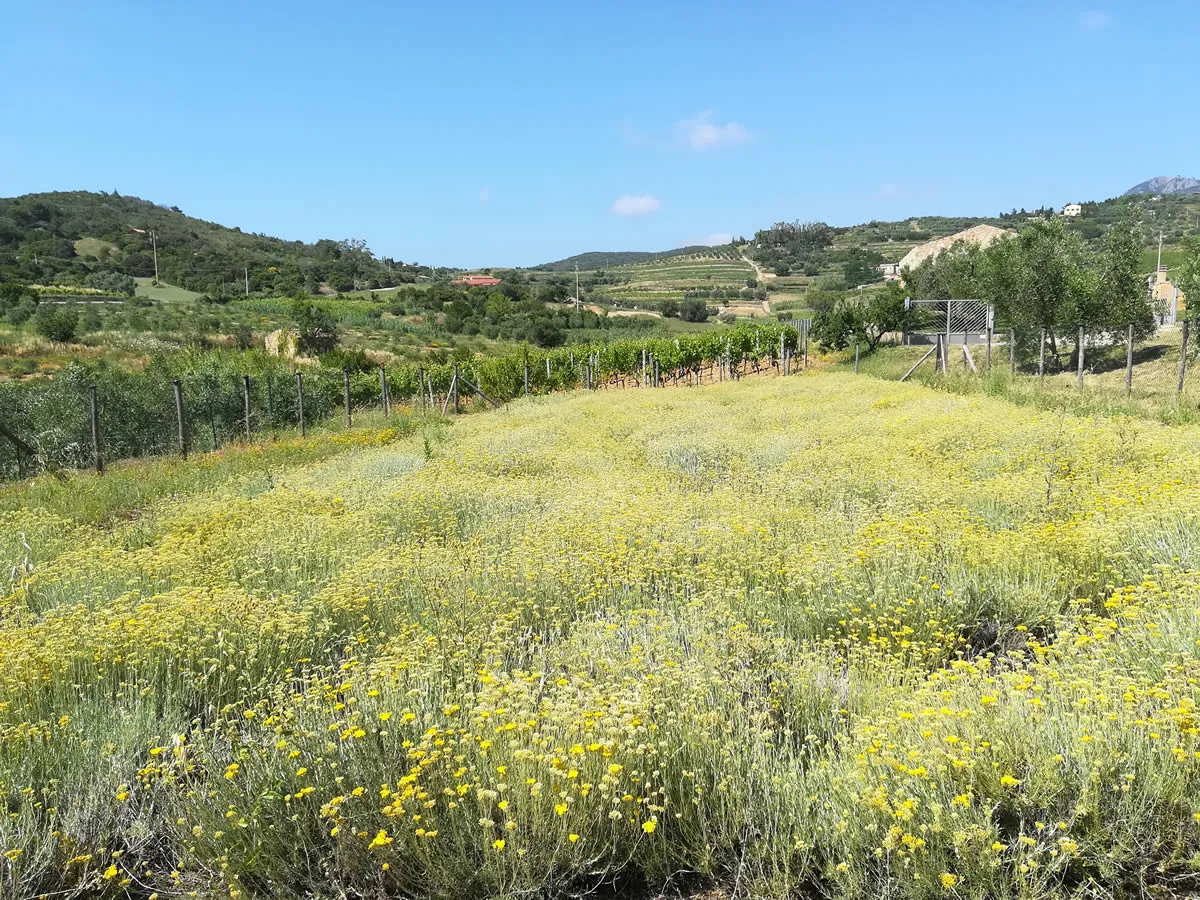
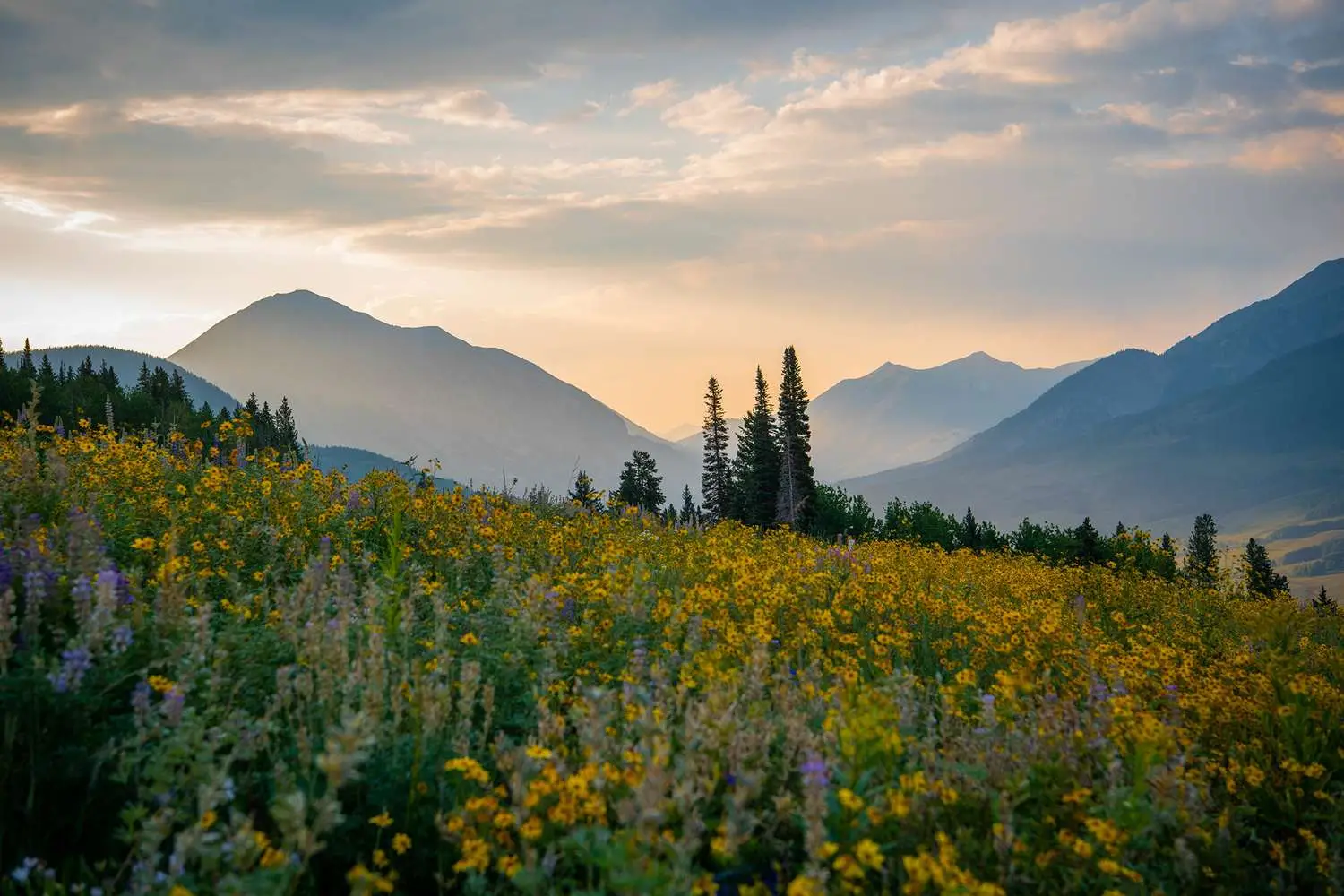
Our material is wild-harvested, not cultivated. It is gathered by hand from natural stands in the mountains of Samtskhe-Javakheti in southern Georgia — not grown in monoculture fields. Wild stands draw on diverse soils and microclimates, and the plants establish on their own terms. We explain why this region matters in why source herbs from Georgia and across our wider look at the medicinal plants of Georgia.
Wild-harvesting carries a responsibility: we harvest selectively to leave stands healthy for the following season.
The Right Plant Part, at the Right Stage
Each species is harvested for a specific organ, at a specific phenological stage when its active compounds peak:
- Hypericum / St. John’s Wort — flowering tops, at peak bloom
- Helichrysum / Immortelle — flower heads, at full bloom
- Rosa Canina / Rosehip — the ripe hips, in autumn
- Urtica / Stinging Nettle — young leaf, before flowering
- Taraxacum / Dandelion — leaf in spring, root in autumn
- Blackberry Leaf — leaf, in season
Harvesting the wrong part, or the right part at the wrong time, is the most common reason a botanical underperforms.
Harvest Calendar
| Plant | Part | Window |
|---|---|---|
| Hypericum | Flowering tops | July–August |
| Helichrysum | Flower heads | July–September |
| Rosa Canina | Hips | September–November (post-frost) |
| Urtica | Leaf | May–July (pre-flowering) |
| Taraxacum | Leaf / Root | Spring leaf / Autumn root |
| Blackberry Leaf | Leaf | In season |
Hand-Picking & Field Selection
Hand-harvesting lets our collectors select healthy, mature material and leave behind anything damaged, off-stage, or growing where it shouldn’t be gathered. It is slower than mechanical cutting, but it is the first quality filter — and it is only possible because local collectors carry generations of knowledge about where and when each plant is at its best.
Low-Temperature Drying
Drying is where aroma, colour, and heat-sensitive compounds are won or lost. We dry slowly, at low temperature, out of direct sunlight, with good airflow. This protects:
- Colour — vivid green nettle leaf, golden immortelle, red-orange rosehip
- Aroma — the volatile oils that flash off under high heat
- Heat-sensitive actives — for example, the vitamin C in rosehip
Plant guides like our rosehip, helichrysum, and nettle articles go deeper on why drying matters for each.
Moisture, Sorting & Storage
After drying, material is brought to a stable low moisture, sorted, and stored cool, dark, and dry before it is cut to the requested grade and prepared for export. Correct moisture control is what keeps a lot stable in transit and storage.
An Honest Quality & Documentation Framework
We believe sourcing decisions should be made on accurate information, so we are clear about what we do and do not provide:
- Our plants are wild-harvested and pesticide-free, gathered from natural stands
- We provide phytosanitary certification and certificate of origin for export
- We do not operate an in-house laboratory and do not hold our own certifications
- Third-party lab testing can be arranged on request when a buyer requires a Certificate of Analysis
You can read more about our quality and sourcing approach on the quality & sourcing page.
Source With Confidence
If provenance and careful processing matter to your product, that is exactly what wild-harvesting in the Georgian Caucasus is built to deliver. Browse the full catalogue or contact us to request samples and discuss your sourcing requirements.