Georgia’s Unique Position
Situated at the crossroads of Europe and Asia, Georgia occupies a unique geographic position that has shaped both its culture and its extraordinary natural environment. The Caucasus Mountains, which form the country’s northern border, are recognized as one of the world’s 36 biodiversity hotspots — regions with exceptionally high concentrations of endemic species that face significant habitat loss.
This small nation, roughly the size of Ireland, packs an astonishing variety of ecosystems within its borders: from subtropical Black Sea coastlines to arid steppe lands, from temperate forests to permanent glaciers above 5,000 meters. This ecological diversity creates ideal conditions for a remarkable range of medicinal plants.
Geographic Advantages
Georgia’s geography offers several distinct advantages for medicinal plant production:
- Altitude range: From sea level to over 5,000 meters, Georgia’s elevation range allows for the cultivation and wild-harvesting of plants adapted to vastly different conditions. High-altitude plants, in particular, develop higher concentrations of bioactive compounds as a natural response to increased UV radiation and harsher growing conditions
- Microclimates: The interaction between mountain ranges, valleys, and maritime influences creates dozens of distinct microclimates within a compact area, each supporting unique plant communities
- Clean environment: Much of Georgia’s mountain terrain remains untouched by industrial development. The harvesting regions used by companies like BioGroup are far removed from industrial pollution, ensuring that wild-harvested plants are exceptionally pure
- Mineral-rich soils: The volcanic and sedimentary soils of the Caucasus region are rich in minerals and trace elements that contribute to the exceptional phytochemical profiles of Georgian herbs
Biodiversity
Georgia is home to over 4,500 vascular plant species, with approximately 900 being endemic — found nowhere else on Earth. Among these, hundreds have documented medicinal properties. The country’s key medicinal species include:
- Hypericum perforatum (St. John’s Wort) — valued for its antidepressant and anti-inflammatory properties
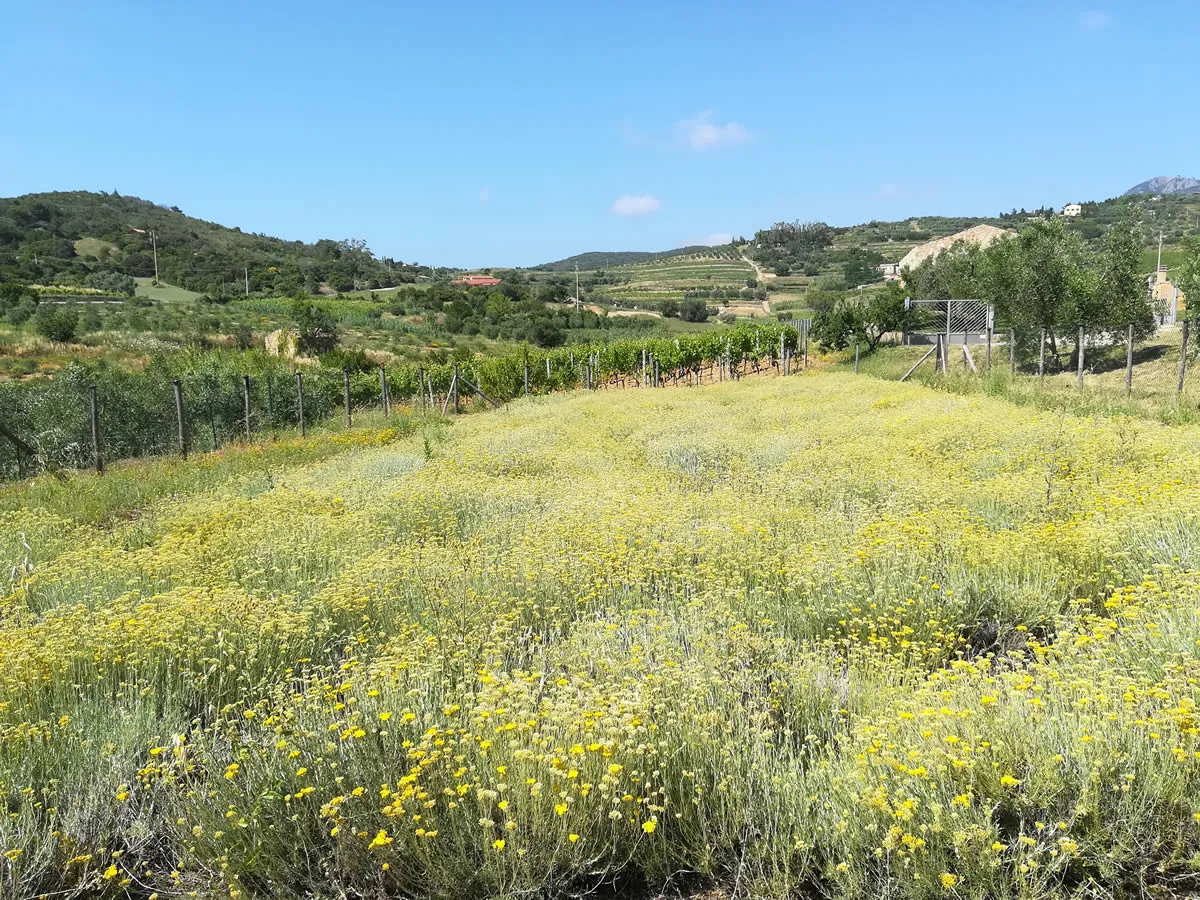
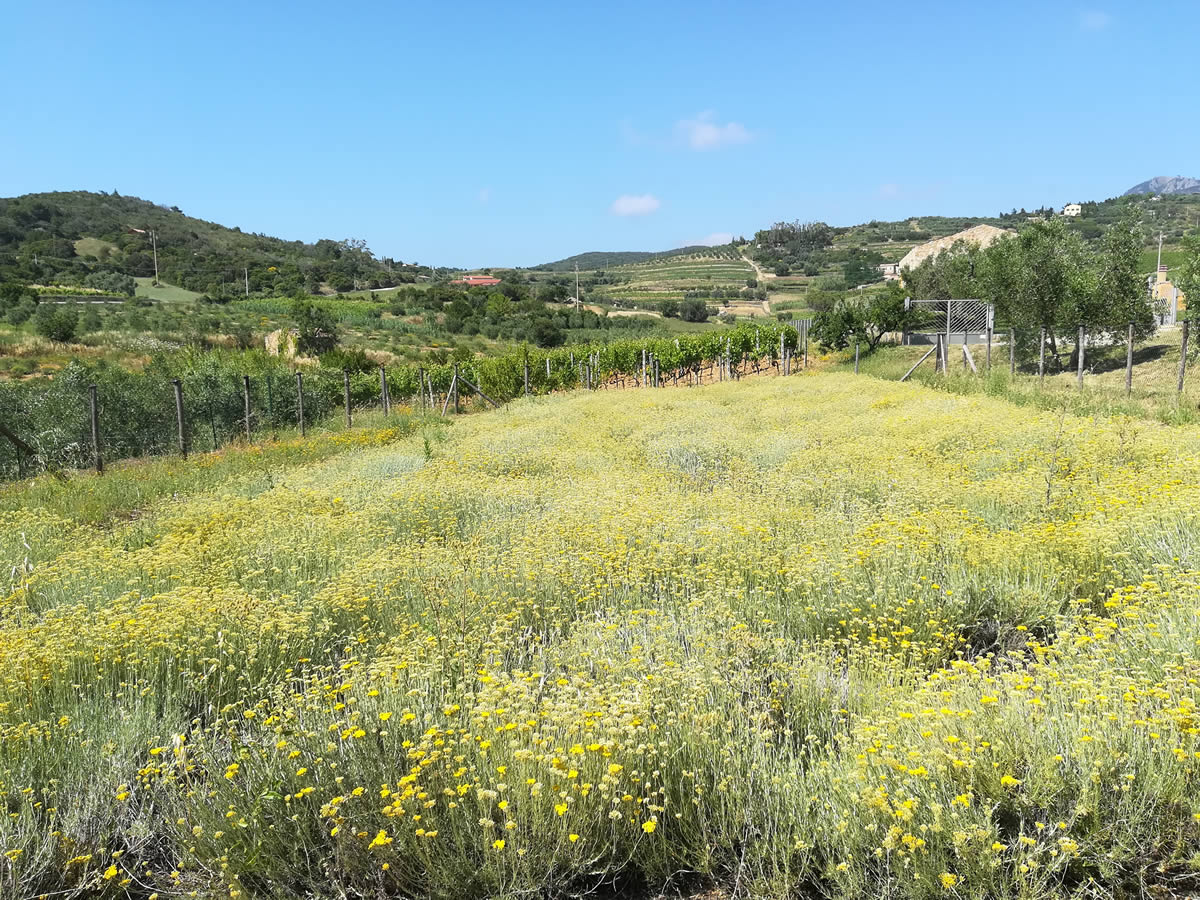
- Helichrysum arenarium (Immortelle) — prized for skin regeneration and anti-inflammatory applications
- Rosa canina (Rosehip) — one of nature’s richest sources of Vitamin C
- Urtica dioica (Stinging Nettle) — a mineral-rich herb used in both medicine and nutrition
This biodiversity means that buyers can source multiple complementary species from a single geographic region, simplifying supply chains and ensuring consistent quality standards. Our overview of the medicinal plants of Georgia looks at each species and its uses in more depth.
Traditional Expertise
Georgia’s herbal medicine tradition spans thousands of years. Ancient Georgian medical manuscripts, some dating back to the 10th century, document detailed knowledge of native plants, their therapeutic properties, and optimal preparation methods. This accumulated wisdom has been passed down through generations of herbalists and harvesters who understand the nuances of their local ecosystems.
Modern Georgian harvesters combine this traditional knowledge with contemporary practices. They know precisely when each species reaches peak potency, which microhabitats produce the highest quality specimens, and how to harvest sustainably to ensure continued availability for future seasons. We describe our own hand-harvesting and low-temperature drying in how we wild-harvest and dry medicinal plants.
Growing Global Demand
The global herbal medicine market continues to grow rapidly, driven by increasing consumer interest in natural health solutions. The worldwide botanical and plant-derived drug market is projected to expand significantly through 2030, with particular growth in Europe, North America, and Asia-Pacific regions.
This growing demand creates opportunities for high-quality suppliers who can deliver consistent, traceable, and sustainably sourced botanical materials. Georgia, with its abundant natural resources and developing export infrastructure, is well-positioned to meet this demand.
Quality and Certifications
Georgian herbal suppliers are increasingly adopting international quality standards to meet the requirements of global buyers. Modern processing facilities ensure that harvested plants are properly dried, cleaned, tested, and packaged according to pharmaceutical and food-grade standards.
Key quality measures include:
- Laboratory testing for active compound content, heavy metals, and microbial contamination
- Proper drying and storage protocols to preserve bioactive compounds
- Full traceability from harvesting location to finished product
- Export documentation compliant with EU, US, and other major market requirements
Why Partner with BioGroup
BioGroup brings together the best of Georgia’s botanical heritage with careful handling and reliable export capabilities. As a young Georgian company founded in 2024, focused on wild-harvested medicinal plants from Samtskhe-Javakheti, we offer:
- Direct sourcing: We work directly with local harvesters in the mountains of Samtskhe-Javakheti, eliminating intermediaries and ensuring fair practices
- Transparent quality: We pair careful drying, cleaning, and storage with full traceability to the harvest area and published literature ranges for active-compound content; we do not yet run our own in-house laboratory
- Flexible supply: We offer multiple product forms including whole dried herbs, cut and sifted, and powdered materials
- Export documentation: We handle export paperwork such as phytosanitary certificates and certificates of origin, plus the logistics for international shipping
Whether you are a pharmaceutical company, herbal supplement manufacturer, or wellness brand, BioGroup is your trusted partner for premium Georgian medicinal herbs. Explore our full product range or contact us to discuss your sourcing needs.