Georgia: A Botanical Treasure
Nestled between the Black Sea and the Caspian Sea, Georgia is one of the world’s most botanically diverse countries. With over 4,500 plant species — nearly 1,000 of which are endemic — this small Caucasian nation punches far above its weight in terms of biodiversity.
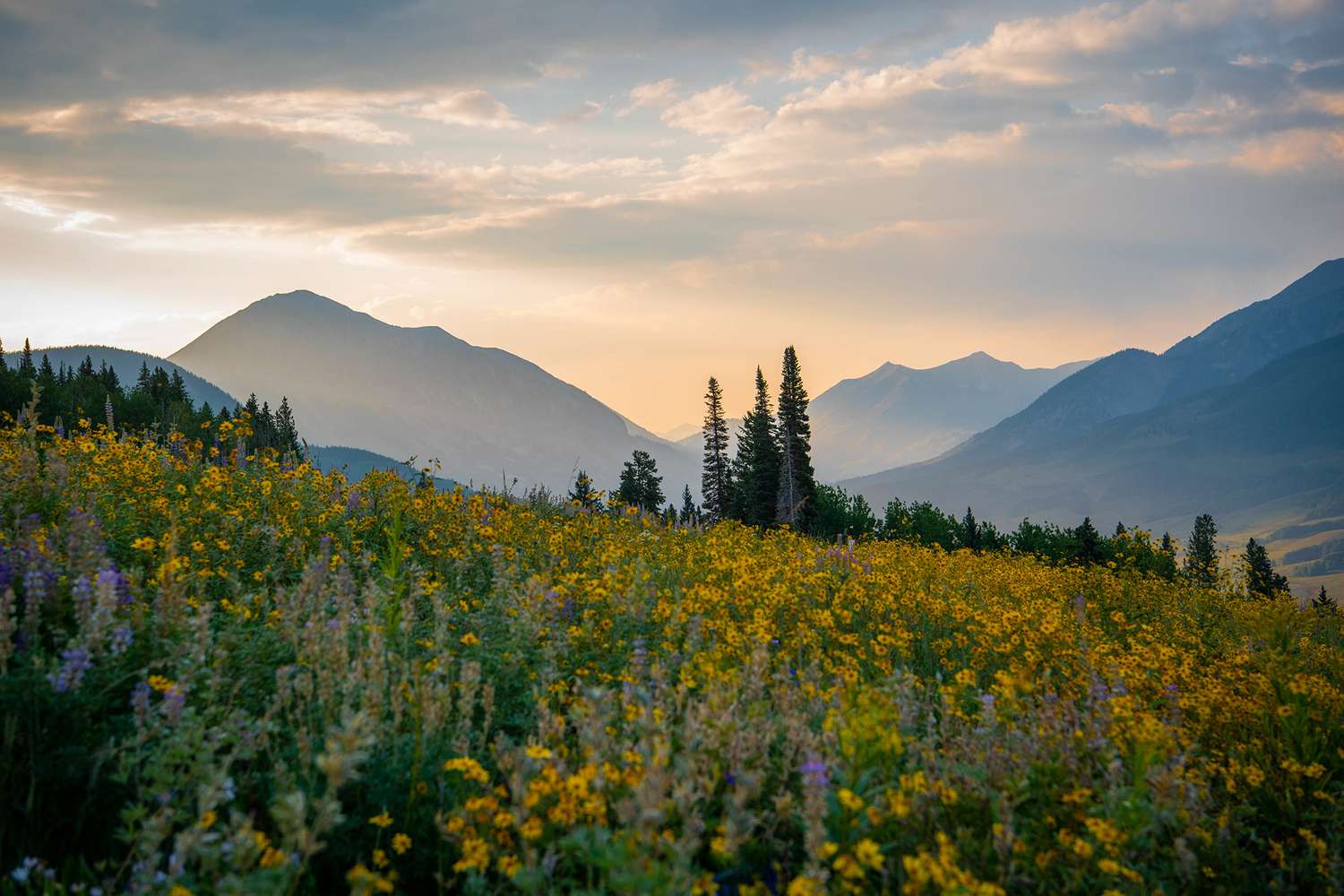
The country’s dramatic geography, ranging from subtropical lowlands to alpine meadows above 4,000 meters, creates a remarkable variety of microclimates. This diversity of habitats supports an extraordinary range of medicinal plants that have been used by Georgian healers for millennia.
Key Medicinal Plants
Hypericum (St. John’s Wort)
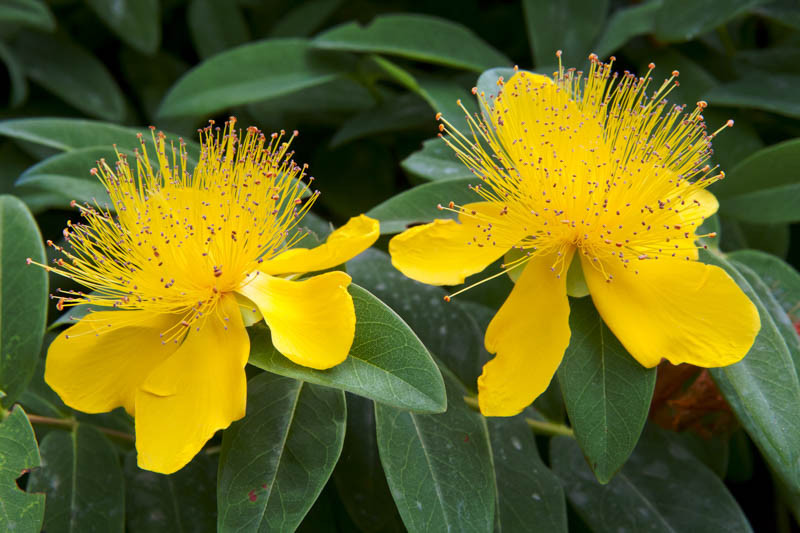
Hypericum perforatum, known locally as “კრაზანა” (Krazana), thrives on the mountain slopes of Georgia at elevations between 500-2,000 meters. It is one of the most extensively studied medicinal plants in the world, with well-documented antidepressant, anti-inflammatory, and antimicrobial properties. Georgian Hypericum is particularly valued for its high hypericin content, attributed to the intense mountain sunlight and mineral-rich soils. For a deeper look, read our full Hypericum (St. John’s Wort) guide.
Helichrysum (Immortelle)
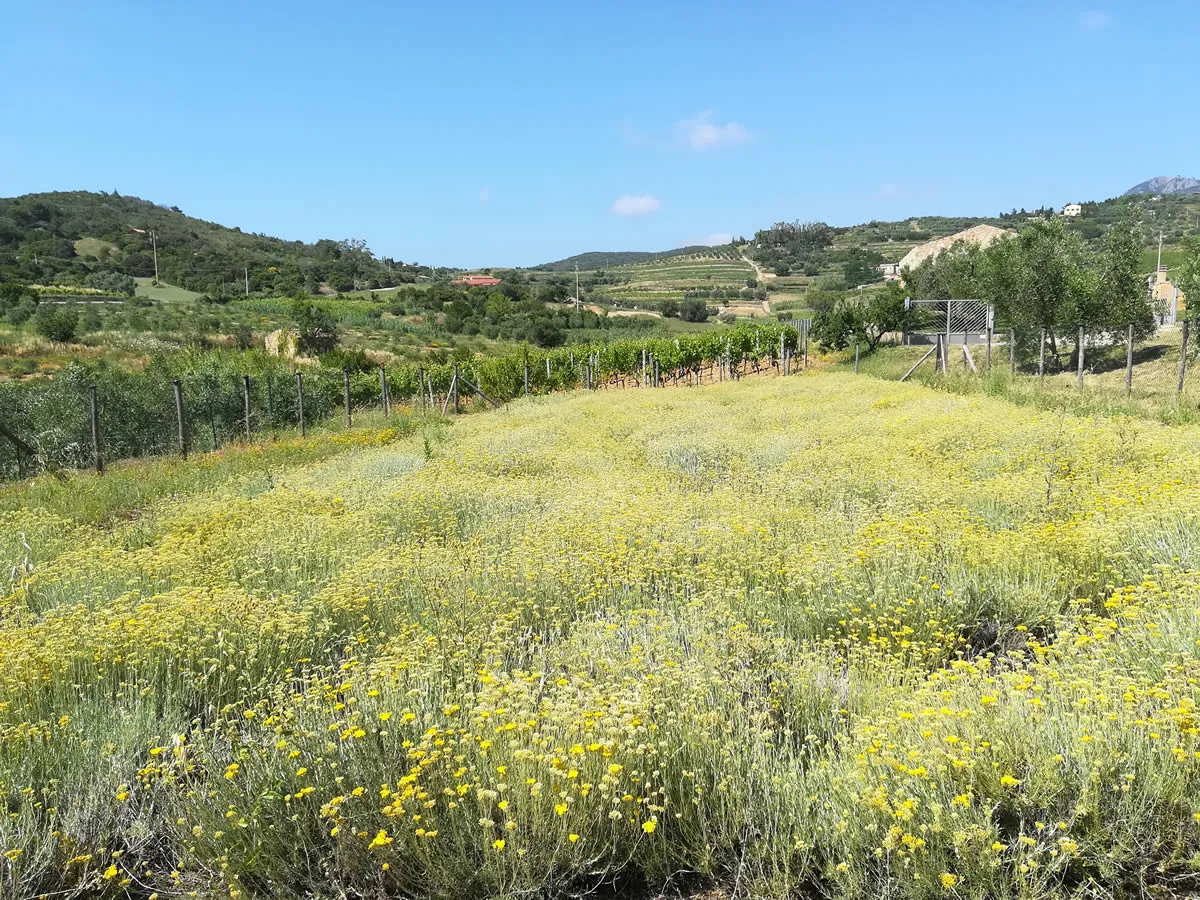
Helichrysum arenarium, called “ნეგო” (Nego) in Georgian, grows naturally in Georgia’s rocky and gravelly mountain regions. This golden “everlasting flower” is prized for its powerful anti-inflammatory and skin-regenerating properties. The essential oil extracted from Georgian Helichrysum is highly sought after in the premium skincare and aromatherapy industries. Read our full Immortelle (Helichrysum) guide.
Rosa Canina (Rosehip)
Rosa canina, known as “ასკილი” (Askili), grows abundantly across Georgia’s mountain slopes and hedgerows. Georgian rosehips are exceptionally high in Vitamin C — containing up to 20 times more than oranges. Clinical studies have confirmed their effectiveness in supporting joint health and immune function. Read our full Rosehip (Rosa canina) guide.
Urtica (Stinging Nettle)
Urtica dioica, called “ჭინჭარი” (Chinchar) in Georgian, is both wild-harvested and cultivated in Georgia’s fertile fields. This mineral-rich plant has been a staple of Georgian folk medicine and cuisine for centuries. Its leaves are exceptionally high in iron, calcium, and magnesium, making it valuable both as a medicinal herb and a nutritional supplement. Read our full Stinging Nettle (Urtica dioica) guide.
Taraxacum (Dandelion)
Taraxacum officinale, known in Georgian as “ბაბუაწვერა” (Babuatsvera), grows across the meadows and subalpine pastures of Samtskhe-Javakheti. Its autumn root is naturally rich in inulin — a prebiotic soluble fibre — while the bitter leaf has long been used in digestive teas and functional foods. Read our full Dandelion (root & leaf) guide.
Rubus fruticosus (Blackberry Leaf)
Rubus fruticosus, the wild bramble, yields a tannin-rich leaf traditionally used as a gentle astringent in teas, gargles, and oral-care preparations. Hand-picked young in late spring, the Georgian leaf carries a concentrated polyphenol profile. Read our full Blackberry Leaf guide.
Georgia’s Geographic Advantage
What makes Georgian medicinal plants special is the country’s unique combination of factors:
- Altitude diversity: Plants growing at higher elevations develop higher concentrations of active compounds as a natural defense mechanism
- Clean environment: Many harvesting regions remain largely untouched by industrial pollution
- Rich soils: Volcanic and mineral-rich mountain soils contribute to exceptional plant quality
- Traditional knowledge: Centuries of herbal expertise inform optimal harvesting times and methods
Traditional Knowledge Meets Modern Science
Georgian herbal medicine has roots stretching back thousands of years. Ancient Georgian medical texts describe detailed uses for hundreds of native plants. Today, this traditional knowledge is being validated and expanded through modern scientific research.
Companies like BioGroup are bridging the gap between traditional wild-harvesting practices and careful modern handling, ensuring that the world can benefit from Georgia’s extraordinary botanical heritage while preserving the ecosystems that sustain it.
Sourcing Georgian Medicinal Plants
For pharmaceutical companies, herbal manufacturers, and wellness brands looking to source premium medicinal plants, Georgia offers a compelling combination of quality, authenticity, and sustainability. Contact BioGroup to learn more about our products and sourcing capabilities.